Looking for a little land to call your own near Valley Head? Whether you picture a kitchen garden, a few hens, or quiet morning views over Lookout Mountain, acreage living can be a rewarding shift in pace. You also want to know exactly what you’re buying, from utilities and roads to zoning and financing. This guide walks you through the essentials of acreage and mini-farm life around Valley Head so you can shop with confidence and avoid surprises. Let’s dive in.
Valley Head at a glance
Valley Head is a small, friendly town on the Lookout Mountain foothills with a population of about 577, according to the latest census profile. The setting is defined by ridgelines, valleys, and protected lands that invite you outside. You are a short drive from the waterfalls and overlooks at Little River Canyon National Preserve, plus the trails and camping at DeSoto State Park. For basic town news and contacts, you can check the official Valley Head site.
What you’ll find on acreage
Typical sizes and setups
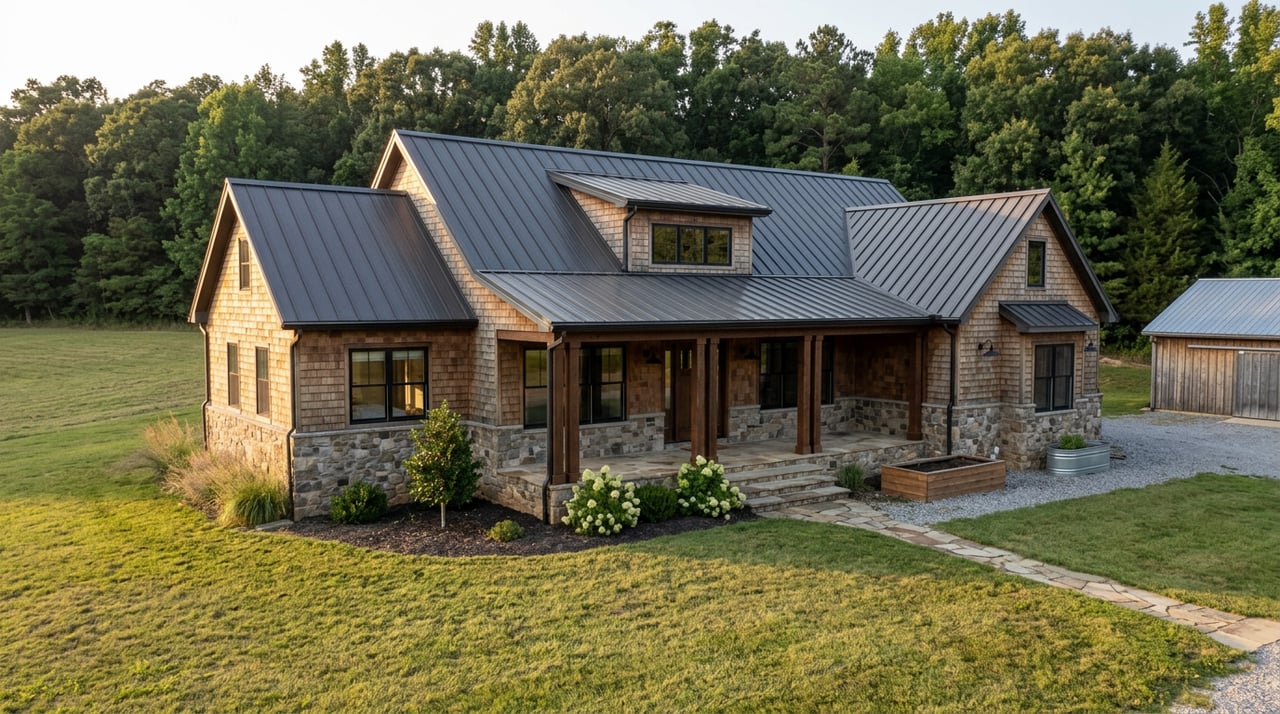
Around Valley Head you’ll see a wide range, from small 3 to 10 acre hobby parcels to larger recreational tracts over 50 acres. Many listings include a mix of woods and small cleared areas, sometimes with a pond, barn or shop, basic fencing, and county road frontage. Homes can be site-built, manufactured, or simple cabins. If a parcel includes a drilled well and a permitted septic system, that is a plus for move-in readiness.
Terrain, soils, and uses
Valley bottoms tend to have deeper soils that can support gardens and limited pasture. Steeper slopes and ridgelines often have shallower, rockier soils that favor timber or carefully managed grazing. Because every site is different, plan on soil and perc testing where you expect to place gardens, paddocks, or new buildings. A little due diligence up front can save you costly changes later.
Daily living essentials
Water and wastewater
Inside the town service area, homes may connect to municipal water through the Valley Head Water Works Board. Many rural parcels rely on private drilled wells and on-site septic systems. Before you buy, have the well flow-tested and the water quality checked. For septic, request permit history and an inspection. The Alabama Department of Public Health’s Onsite Sewage program oversees permitting, so it is smart to ask for records and confirm compliance.
Road access and maintenance
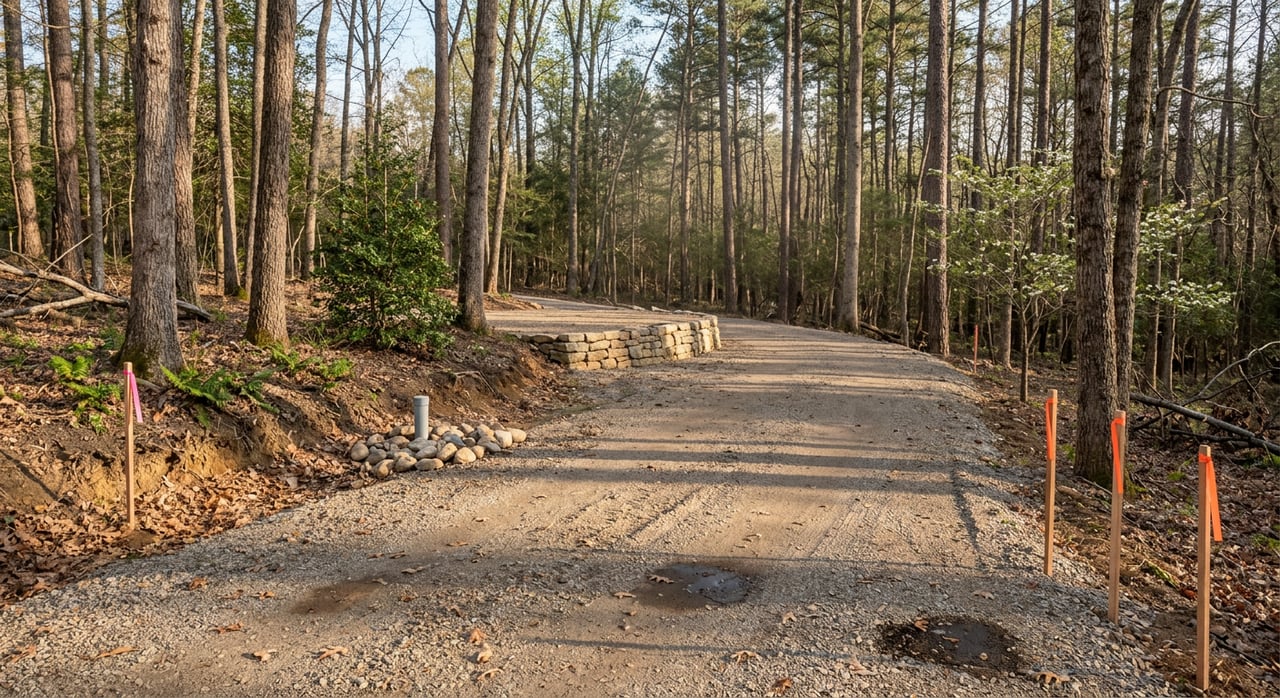
Road type matters. A paved county road is simple to maintain, while a gravel or private lane may require owner upkeep. Verify whether your driveway is on a public road or a shared private road, and ask for any recorded road maintenance agreement. If none exists, budget for grading, culvert work, and dust control.
Power and internet
Most rural addresses in DeKalb County receive electricity from local electric cooperatives rather than a single large utility. You can review service context for the area at FindEnergy’s DeKalb County page. When you tour a property, note meter and pole locations, confirm transformer distance, and ask the utility about any line extension costs.
Broadband varies by address. Some streets have cable or fiber, while others depend on fixed wireless or satellite. Check the exact property location on BroadbandMap’s Valley Head page and confirm service directly with providers. If you work from home, make this a top priority in your due diligence.
Trash and large-item services
Outside town limits, curbside trash, recycling, and bulk pickup can be limited. Many owners either subscribe to a private hauler or haul to a county convenience center. Ask early so you can plan a simple routine.
Safety, schools, and commutes
Remote parcels can have longer emergency response times than in-town homes. Students in Valley Head are served by the DeKalb County school system, but attendance zones should always be verified with the district. If you commute, test your route at your typical drive time to confirm travel patterns.
Rules, permits, and property taxes
Much of unincorporated DeKalb County is historically agricultural or rural in character. Typical small-livestock and garden uses are common, but you should confirm what is allowed on your exact parcel. Review current rules with the county and consult the DeKalb County zoning code before you make plans for new buildings, barns, or business activities. Ask about building permits, setbacks, and inspections for any new structures or septic replacements.
Property taxes vary by location and use. Alabama offers assessments for agricultural or forest use that may reduce taxes for qualifying acreage. For the latest countywide levy and millage details, see DeKalb’s property tax levies and rates, then speak with the tax office about how your intended use could apply.
Financing and appraisals for rural homes
Most buyers use conventional, FHA, VA, or USDA Rural Development loans when eligible. Many addresses around Valley Head qualify for USDA programs, but eligibility is always address-specific and income-limited. For an overview of available single-family options, review the USDA Rural Development program summary and ask your lender to pre-check the property address early.
Appraisals on unique acreage homes can take longer because there may be fewer close comparable sales. Outbuildings, wells, ponds, and timber value often require extra notes or documentation. Build a little extra time into your contract for appraisal and inspections, especially if the parcel includes multiple improvements.
Buyer checklist for mini-farm parcels
Use this list to gather the right details and keep your contract protections strong:
- Deed and legal description that confirm the exact acreage and boundaries.
- Recent survey or plat. If none exists, include a survey contingency.
- Road and driveway status with any recorded maintenance agreement for private lanes.
- Well details: drill record if available, recent flow test in gallons per minute, and a lab water quality test.
- Septic: permit history, system type and age, last pump or repair, plus a licensed septic inspection and dye test.
- Utility information: electric meter and pole locations, transformer distance, and any line extension fees. Confirm if you are inside a municipal water boundary.
- Broadband options verified by address, including fixed wireless or satellite if fiber is not available.
- Easements and encumbrances: utility, access, pipeline, mineral, or timber rights reservations.
- Floodplain status using FEMA maps and any known flooding or streambank erosion history.
- Timber and vegetation: a recent timber cruise if timber value is claimed and any past harvest records.
- Outbuildings and improvements: permits where required and condition reports for roofs, foundations, and electrical systems.
- Environmental observations: any signs of old dumps, borrow pits, or erosion on steep slopes.
Why work with a rural-savvy local agent
Buying acreage is different from buying a neighborhood lot. You benefit from an agent who understands wells, septic, easements, and rural financing. Here’s how a Valley Head specialist helps you move faster and safer:
- Experience negotiating access, easements, timber clauses, and rural contract contingencies.
- Familiarity with local septic rules and county permitting for barns and additions.
- Lender connections for USDA and other rural-friendly programs, plus appraisers who understand acreage value.
- A local network for inspections and setup: well drillers, septic contractors, fencing suppliers, equipment dealers, and fixed wireless installers.
- What I will do for you: run parcel history and verify tax or agricultural status, check for recorded utility and road easements, pre-verify likely broadband and power extension costs by address, and include survey, well, and septic contingencies in your offer.
Ready to explore Valley Head acreage?
If you are drawn to fresh air, room to breathe, and a small-town setting near Lookout Mountain, Valley Head is worth a closer look. With the right homework, you can find property that fits your plans for a garden, workshop, or small livestock. When you are ready, reach out to Angela Wilson for local guidance, a curated list of properties, and a steady hand from offer to close.
FAQs
What does “mini-farm” mean near Valley Head?
- A mini-farm typically refers to a smaller acreage parcel, often 3 to 10 acres, with space for gardens, a few animals, and outbuildings, though exact features vary by property.
Can I keep livestock on a rural DeKalb County parcel?
- Many unincorporated areas allow typical rural uses, but you should verify your exact address and plans against the current DeKalb County zoning code before you buy.
How do I confirm water and septic on a listing?
- Ask whether the home is on town water through the Valley Head Water Works Board or has a private well, then request flow and water quality tests; for septic, review permit history and schedule a licensed inspection per ADPH Onsite Sewage guidance.
Will I have reliable internet on a rural property?
- Service is address-specific; check your exact location on BroadbandMap’s Valley Head page and confirm with providers, keeping fixed wireless and satellite as options where fiber or cable is not available.
What should I plan for private road upkeep?
- Private gravel lanes often require periodic grading, culvert clearing, and occasional rock delivery; try to secure a shared maintenance agreement and budget for routine care.
Are USDA loans available for homes around Valley Head?
- Many rural parcels qualify, but eligibility depends on the address and household income; review the USDA Rural Development program summary and have your lender pre-check the property early.